
Title: Lost in Translation? A Deep Dive into Translator Earbuds
Tags: #TechReview #Gadgets #TravelHacks #AI #LanguageLearning
Meta Description: Are translator earbuds the tip of language boundaries or only a high-tech gimmick? We break down how they work, their real-world performance, and whether or not they’re value your money.
Picture this: You’re sitting in a cozy, lantern-lit restaurant in Tokyo. You’ve been dreaming of this trip for years. The waiter approaches, smiling warmly, and asks in your order. You look at the menu, then back at him, your mind going clean. You level to a random merchandise, hoping for the perfect.
We’ve all been there. The dream of seamless journey often hits the hard wall of the language barrier. But what if you had an actual-time interpreter tucked proper into your ear?
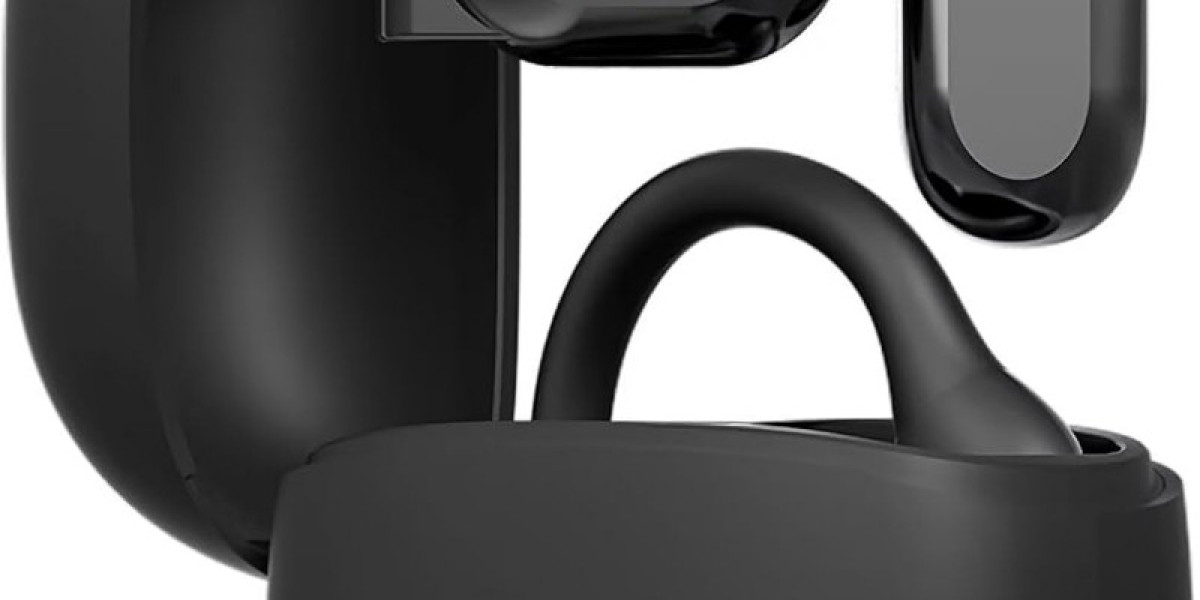
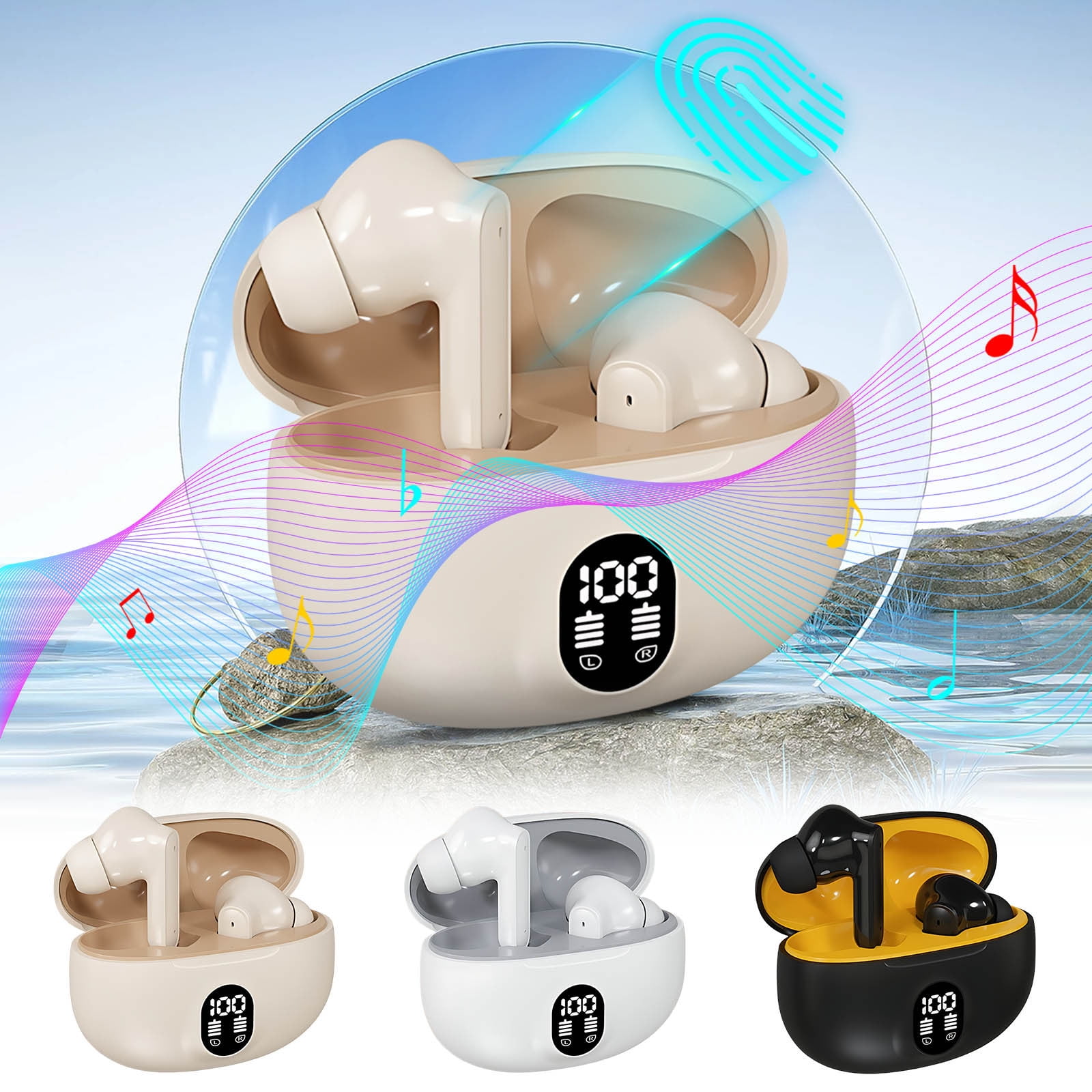
Enter the translator earbud. It’s a concept that feels ripped straight from a sci-fi movie. Companies like Timekettle, Google, and Waverly Labs have brought devices to market that promise to dissolve language limitations immediately. But the large query stays: do they actually work?
I dove into the tech, the person evaluations, and the real-world eventualities to seek out out.
How Do They Work?
Before we choose them, we want to understand the mechanism. Translator earbuds usually fall into two categories:
- The All-in-One (Solo) Mode: You pop the earbuds in, speak naturally, and the app translates your speech into the target language (either played via the earbud speaker or as an audio file despatched to the opposite person’s cellphone).
- The Dual-Pair (Conversation) Mode: This is the "Babel Fish" state of affairs. You wear one earbud, your conversation partner wears the other. Whenever you converse, they hear the translation in their ear, and vice versa.
Most of these rely on cloud-based AI translation engines (like Google Translate or proprietary algorithms). The earbuds act as high-quality microphones and speakers, whereas the heavy lifting of processing language happens in your smartphone through an app.
The real-World Test
To evaluate these units, we have now to have a look at three essential metrics: Pace, Accuracy, and Connectivity.
1. Velocity: Is it Conversational?
In a face-to-face chat, timing is everything. A lag of even three seconds could make a conversation really feel robotic and awkward.
- The Verdict: Prime-tier fashions (like the Timekettle WT2 Edge) have significantly reduced lag to below 0.5 seconds. Nonetheless, funds choices usually undergo from a 2-3 second delay. While spectacular, it’s not fairly "Star Trek" speed yet. You continue to need to consciously pause after talking to let the AI catch up.
2. Accuracy: Context is King
Translation isn’t nearly swapping phrase A for word B; it’s about capturing nuance, slang, and context.
- The Verdict: For normal, clear phrases ("The place is the train station?" "I'm allergic to peanuts"), they are remarkably correct. Where they battle is idioms, heavy accents, and background noise. In the event you mumble or converse rapidly, the microphone struggles to isolate your voice, leading to garbled translations. However, for 90% of journey eventualities (instructions, purchasing, dining), they're ample.
3. Connectivity: The Achilles' Heel
Most translator wireless earbuds translation require a Bluetooth connection to your cellphone and a stable internet connection (Wi-Fi or 4G/5G) to entry the translation database.
- The Verdict: This is the most important hurdle. If you are touring in a remote space, on a subway with spotty reception, or attempting to avoid worldwide information roaming costs, these gadgets develop into expensive paperweights. Some apps allow for "offline packs," however the language choice is normally limited to main languages (Spanish, French, Mandarin) and the accuracy is barely decrease.
The "Gimmick" Issue vs. Genuine Usefulness
There's a legitimate argument that these earbuds are an answer searching for a problem. In spite of everything, we've got translation apps on our telephones that work completely effectively. Why spend $200+ on earbuds?
The distinction lies in social friction.
Holding your telephone up to someone’s face while staring at a display is impersonal. It breaks eye contact and creates a technological barrier between you. Translator earbuds permit for a extra pure interaction. You look on the individual, you listen to their voice (albeit translated), and you maintain a human connection.
They're genuinely useful for:
- Business conferences: The place fingers-free translation is skilled.
- Elderly kinfolk: Who battle with small touchscreens.
- Lengthy-time period travel: The place it is advisable study phrases on the fly with out staring at a display screen.
They are much less helpful for:
- Deep philosophical debates: The nuance shall be misplaced.
- Zero-internet zones: With out offline information, they fail.
- Noisy environments: Like a loud bar or a busy avenue market.
The final Verdict
So, do translator earbuds really work?
Yes, however with caveats.
They are not magic. They will not make you fluent, and they will not translate advanced poetry. Nonetheless, for the practical wants of a traveler or knowledgeable, they operate exactly as marketed. They bridge the gap sufficient to get you fed, housed, and oriented in a overseas land.
If you journey frequently to international locations where you don’t communicate the language, a excessive-quality pair of translator earbuds is a unbelievable investment that reduces anxiety and improves the standard of your journey. If you’re just a informal traveler who dines out as soon as a yr in a tourist hub, sticking to a free telephone app is probably the smarter play.
The future of translation is here—it simply needs a bit of extra battery life and too much much less lag to turn into truly excellent.
Have you tried translator earbuds? Share your experience within the comments beneath!